

MENU
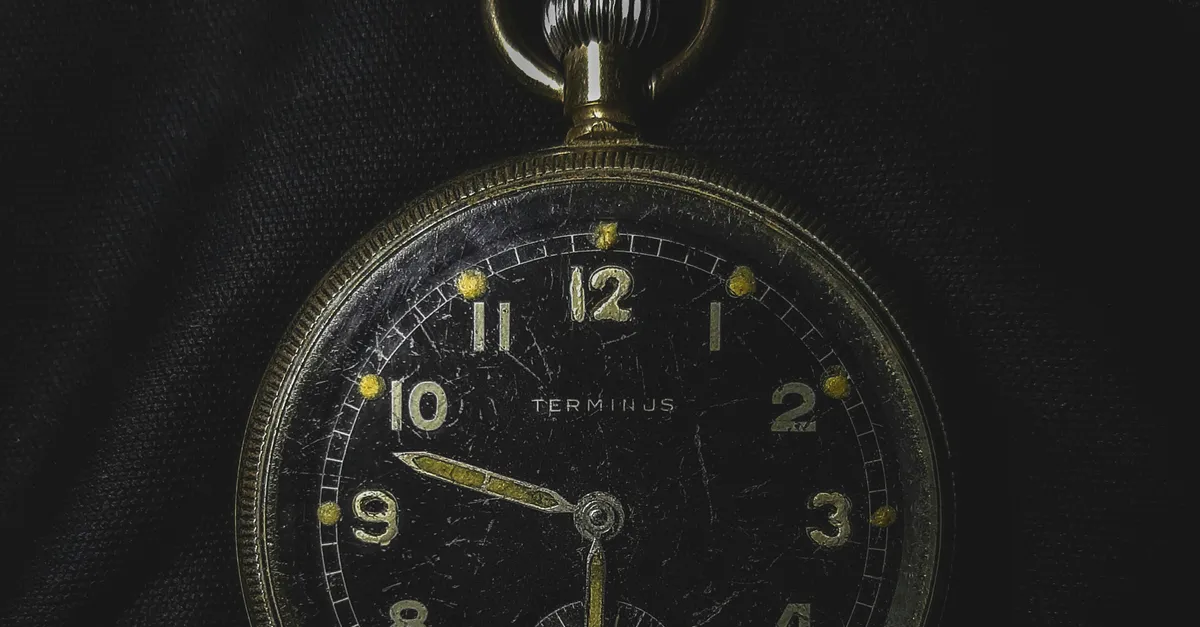
Open the back of any vintage pocket watch and you’ll find a miniature engine of gears, springs, and jewels, its movement. Collectors prize these mechanisms not only for keeping time but for the craftsmanship they reveal.
To compare watches on equal footing, horologists developed grading systems that rank movements by precision, finish, and durability. Knowing how these grades are determined helps buyers avoid overpaying, sellers justify asking prices, and enthusiasts appreciate what makes one watch tick better than another.
A movement’s grade is the quickest shorthand for its overall quality. Higher-grade pieces typically use better materials, receive more labor-intensive finishing, and undergo tighter performance testing. That translates to superior accuracy, longer service life, and stronger resale value.
Because cases, dials, and hands can be swapped over decades of repairs, the movement grade often carries more weight in authenticating a watch than exterior cosmetics.
Different manufacturers published their own nomenclature, yet most fall into a few broad tiers that collectors recognize today.
No single detail decides a grade; experts weigh several attributes together. Understanding each criterion clarifies why two visually similar movements can occupy opposite ends of the quality spectrum.
Jewels reduce friction at pivot points. Early 7-jewel movements were serviceable but inexpensive. Adding jewels at the center wheel, pallet, and escapement capstones (15–17 jewels) markedly improved longevity.
High-grade pieces often carry 19, 21, or 23 jewels. While extra jewels beyond 23 offer diminishing functional returns, they usually signal elite craftsmanship and added hand-finishing.
An "adjusted" marking means the watch was fine-tuned to run within a tighter rate under varying conditions. Common adjustments include two positions (dial-up and dial-down) up to five positions plus temperature and isochronism.
Each additional adjustment requires bench time from a skilled watchmaker, raising both manufacturing cost and collectability.
During the late 19th and early 20th centuries, railroad companies demanded rigorous standards to prevent timing errors that could cause collisions. Movements had to be lever-set (to avoid accidental time changes), feature bold Arabic dials, and maintain ±30 seconds per week accuracy.
Manufacturers such as Hamilton, Elgin, and Waltham produced dedicated lines that met these criteria. Today, "railroad grade" remains a coveted designation even for collectors with no interest in trains.
You don’t need a full workshop to form an educated opinion. A jeweler’s loupe, good lighting, and a bit of patience go a long way.
All else equal, a higher grade can multiply a pocket watch’s price several times over. Collectors pay premiums for rarity, especially limited-run factory grades or those tied to historic events.
However, condition still matters. A neglected chronometer may underperform compared to a well-serviced mid-grade piece. Professional cleaning and adjustment can help close that gap, but cannot fully compensate for wear on poorly made parts.
Movement grading distills a host of technical variables into a digestible label, guiding both novice and seasoned collectors toward informed decisions.
Whether you’re hunting for a reliable daily carry or an investment-grade heirloom, understanding these grades lets you appreciate the engineering inside, and ensures you pay the right price when the next opportunity ticks your way.

