

MENU
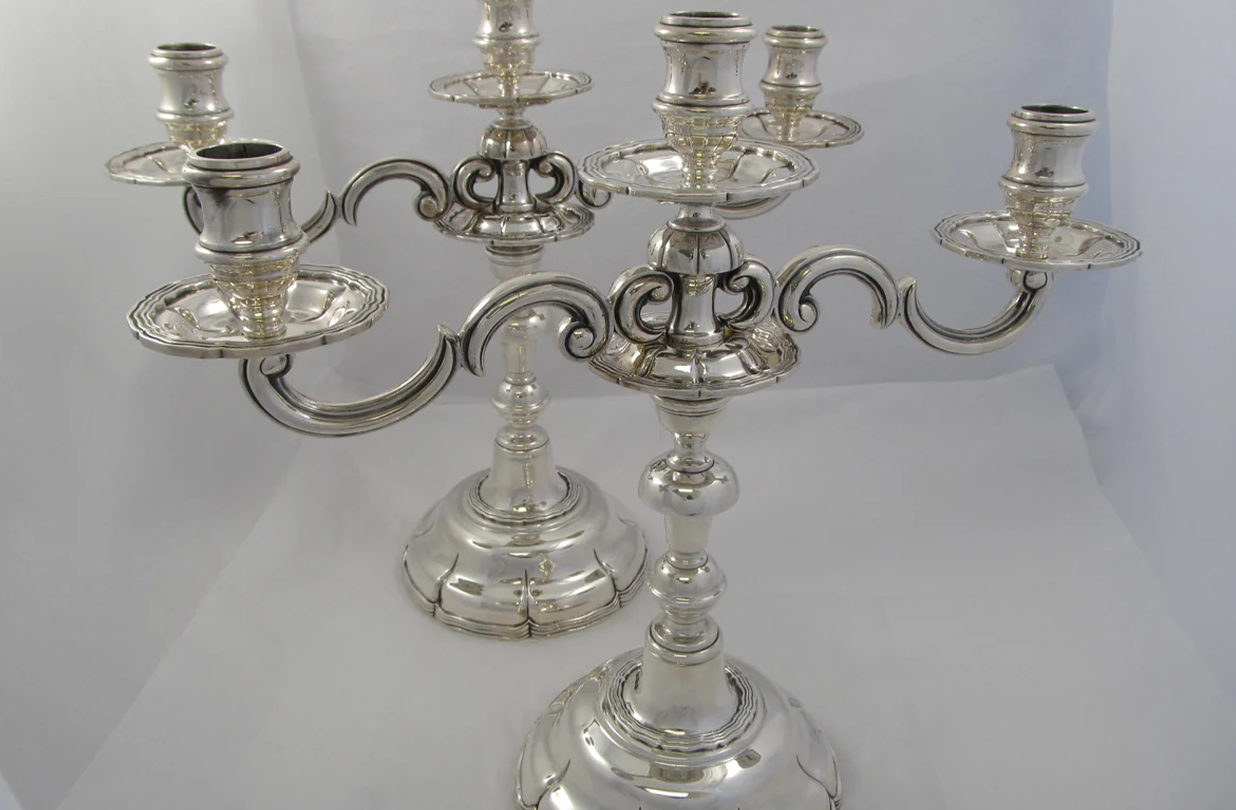
From bold Taxco bracelets to ornate flatware stamped “Hecho en México,” Mexican sterling silver has long attracted collectors and investors alike. Yet its value can vary widely, leaving many owners unsure what their pieces are actually worth.
This guide breaks down the key factors that drive prices, shows you how to calculate melt value, and explains when a maker’s mark or design can push Mexican sterling well above bullion rates.
True sterling contains 92.5% pure silver, and Mexican pieces are usually stamped “925,” “Sterling,” or simply “Silver.” Common hallmarks include “Mexico,” “Hecho en México,” or a city code such as “TAXCO” followed by a registration number.
Post-1948 items often carry the eagle assay mark or the later two-letter, two-number system (e.g., “TG-75”), identifying the maker and location. If a piece lacks any of these marks, further testing may be needed to prove sterling content.
Because sterling is 92.5% pure, weight is the first baseline for valuation. A troy ounce of silver weighs 31.1 grams. Multiply the piece’s weight by 0.925, then by the current spot price to get melt value.
Example: A 60-gram Taxco cuff contains 55.5 g of pure silver. At $25 per troy ounce, melt value sits around $44.50. Remember, this figure ignores design and maker premiums, it’s simply the precious-metal floor.
Certain workshops and designers command sizeable premiums over melt. Early Taxco artisans such as William Spratling, Margot de Taxco, Los Castillos, and Antonio Pineda consistently fetch two to ten times bullion value, depending on rarity and condition.
Distinctive mid-century modern or pre-Columbian inspired motifs add further appeal. Signed pieces with original patina or documentation often see the strongest bidding in today’s market.
Light surface wear is expected, but deep scratches, dents, or poorly executed repairs will reduce value. Conversely, scarce patterns, limited production runs, or exhibition pieces can propel prices well past typical ranges.
Market demand shifts, too. Large sculptural necklaces have surged in popularity over the past decade, while some heavily engraved flatware patterns have cooled.
Although each piece must be assessed individually, current retail and auction trends show approximate ranges:
Jewelry: Everyday unsigned bangles sell for 1.2–1.5× melt, while signed Spratling or Pineda bracelets often realize $400–$1,200. Flatware: Standard place settings generally bring 1.1–1.4× melt; rare patterns or complete service sets can reach $2,000–$5,000. Hollowware & Decorative Objects: Trays, tea sets, or mixed-metal overlay pieces may start at 1.5× melt and climb sharply if designer-signed or exceptionally ornate.
Inspect hallmarks with a loupe, looking for crisp, even strikes. Blurry or misspelled marks can be red flags.
If in doubt, an acid test or XRF analysis confirms silver content without damaging the item. Professional appraisers can also attribute unsigned pieces based on construction techniques unique to certain Taxco workshops.
Mexican sterling silver values rest on a foundation of silver content, but true worth is often unlocked by designer pedigree, craftsmanship, and current collecting trends.
Weigh your piece, research the hallmark, and compare recent sales of similar items to arrive at a realistic figure, then decide whether to enjoy, insure, or sell your sterling treasure.

