

MENU
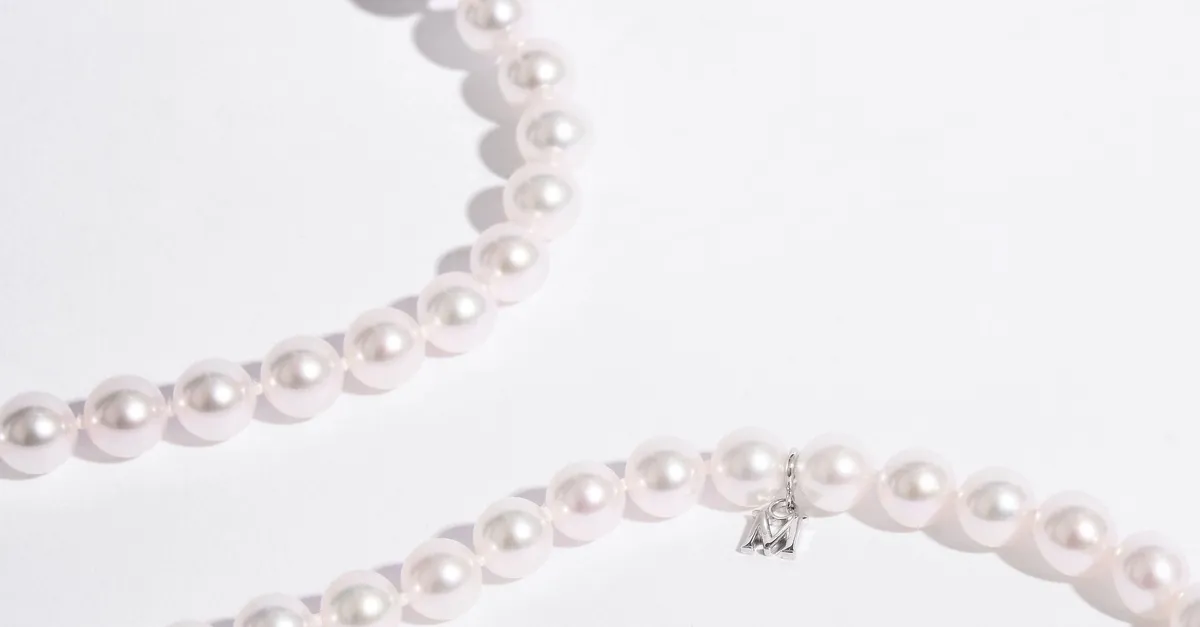
Mikimoto is synonymous with premium cultured pearls, but even within the brand’s own inventory you’ll find a range of quality levels. At the very top sits the elusive "AAA" grade.
Understanding what this designation means, and why it commands higher prices, helps collectors, gift-givers, and resellers make informed decisions. Below, we break down the Mikimoto grading scale, the exact standards a strand must meet to earn an AAA tag, and tips for purchasing with confidence.
Unlike diamond grading, there isn’t an industry-wide, universally enforced scale for pearls. Each major jeweler adopts its own terminology, and Mikimoto uses letter grades ranging from A to AAA.
In this hierarchy, single A reflects minimum acceptable quality for the brand, AA sits in the middle, and AAA represents pearls that satisfy the strictest requirements in luster, surface, shape, color, and matching.
To qualify as AAA, a pearl (or matched strand) must exhibit exceptional luster, high, mirror-like reflection of light with minimal diffused glow. Surface blemishes are virtually nonexistent, limited to tiny imperfections visible only under close inspection.
Shape is near-perfectly round for Akoya pearls and evenly proportioned for other varieties. Color and overtone must be both vivid and consistent throughout the strand, while nacre thickness typically exceeds 0.4 mm, ensuring durability and depth.
When viewing AAA pearls in person, you should notice crisp reflections, your own facial features will appear almost as if in a polished metal surface. The nacre exhibits a radiant, almost liquid glow rather than a chalky sheen.
Because blemishes are so rare, the eye is drawn to uniformity: every pearl appears virtually identical in size, silhouette, and color, creating a seamless ribbon of light when moved under illumination.
AAA strands regularly fetch two to four times the price of comparable AA pieces, even when size is held constant. The premium comes from Mikimoto’s rejection rate; only a small fraction of harvested pearls survive culling to reach this level.
Collectors also pay for long-term stability. Thicker nacre reduces the risk of yellowing or chipping, preserving resale value decades later, an important consideration for estate jewelry and auction consignments.
AA pearls can still deliver attractive luster, yet they often show faint surface marks, slightly weaker reflection, or subtle size deviations across a strand. Single A pearls exhibit even more visible blemishes and a softer glow.
Because Mikimoto’s internal standards are already high, an AA may rival other retailers’ "top" offerings. Nevertheless, only AAA guarantees the pinnacle of perfection under the brand’s name.
Documentation is key. Every new Mikimoto AAA piece ships with a certificate specifying grade, pearl type, and serial number. If shopping pre-owned, verify this paperwork or request third-party authentication.
Examine luster in neutral lighting, compare pearl sizes with calipers when possible, and inquire about recent restringing, high-end strands should be knotted between each pearl to prevent abrasion.
The Mikimoto AAA grade is more than a marketing label; it signals the rarest, most visually stunning pearls the house releases to market.
Whether you’re adding to a personal collection or evaluating pieces for resale, recognizing the hallmarks of AAA quality ensures you pay, and price, accordingly.

