

MENU
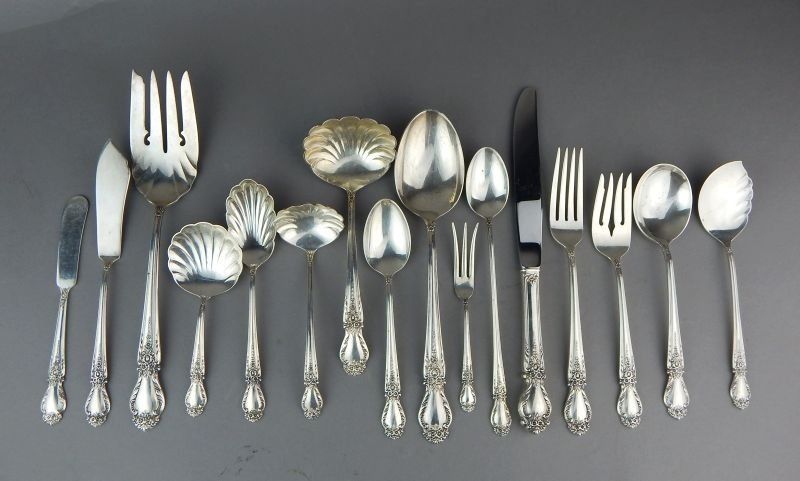
Sterling silver flatware remains a staple of elegant dining and a popular collectible for investors in precious metals alike. Whether you’ve inherited a family service, spotted a bargain at an estate sale, or plan to consign a set, knowing exactly what to look for can protect you from costly mistakes.
This full guide walks you through a practical checklist, covering authenticity, composition, hallmarks, condition, and more, so you can confidently evaluate any sterling silver flatware set before buying, selling, or sending it to auction.
Not every shiny fork is created equal. Sterling silver must be 92.5% pure silver by weight, commonly stamped “Sterling,” “925,” or “.925.” Anything lower, often labeled as “silver-plate” or “EPNS”, contains only a thin layer of silver over base metal and commands a fraction of the value.
Flip each piece over and inspect the shank or handle for a clear sterling mark. If it’s missing or suspicious, perform a quick magnet test (sterling is non-magnetic) or invest in a simple acid test kit.
After verifying sterling content, locate the maker’s mark. Renowned manufacturers such as Gorham, Tiffany, Towle, and Reed & Barton often carry higher premiums, especially for discontinued or limited patterns.
Hallmarks can also help you date a set. Gorham’s lettered date codes, for example, place production year to within a decade, while British hallmarks include assay office symbols and year letters.
Collectors pay more for full, matching services in coveted patterns like Chantilly, Francis I, or Old Master. Confirm that knives, forks, and spoons display identical pattern details, look closely at the handle’s scrollwork and crest.
Count every place setting and serving piece. A standard service for eight usually totals 40-45 pieces, while formal services for twelve or more can exceed 100. Missing components reduce resale value, but replacements can often be sourced individually.
Surface scratches from normal use rarely hurt value, but deep dings, bent tines, or pitted blades do. Lay forks and knives flat on a table to ensure they sit evenly and haven’t been twisted out of shape.
Monograms are a double-edged sword: desirable if the buyer shares the initials, detrimental if not. Professionally removing a monogram is possible but may soften crisp pattern details.
Unlike jewelry, flatware is often bought and sold by the piece, but total troy ounces still matter. Heavier tableware feels more substantial in hand and indicates higher intrinsic silver value.
Use a digital gram scale to weigh at least one complete place setting and multiply to estimate the entire service weight, excluding stainless-steel knife blades.
Improper storage can tarnish or even scratch sterling. Lined silver chests, flannel rolls, or anti-tarnish bags slow oxidation and keep patterns crisp.
Avoid rubber bands or direct contact with newspaper ink, as sulfur compounds accelerate tarnish. Wash pieces promptly after acidic foods or salt exposure.
Factor both silver spot price and collectible premium. High-demand patterns in pristine condition can sell for two to three times melt value, while common mixed sets may only fetch bullion price.
Track recent auction results for the identical pattern and service size to set realistic expectations.
If your set is large, from a top maker, or features rare serving pieces, a formal appraisal can uncover hidden value and assist with insurance documentation.
Choose an appraiser who specializes in silver and provides a written report detailing pattern, weight, and replacement cost.
A sterling silver flatware set can be both a beautiful heirloom and a meaningful asset, but only if you know what you have. By confirming sterling purity, identifying the maker, assessing completeness and condition, and understanding current market dynamics, you’ll avoid common pitfalls and maximize value.
Use this checklist each time you inspect or consider purchasing a set. A little diligence now ensures your sterling shines, both on the table and on the balance sheet, for years to come.

