

MENU
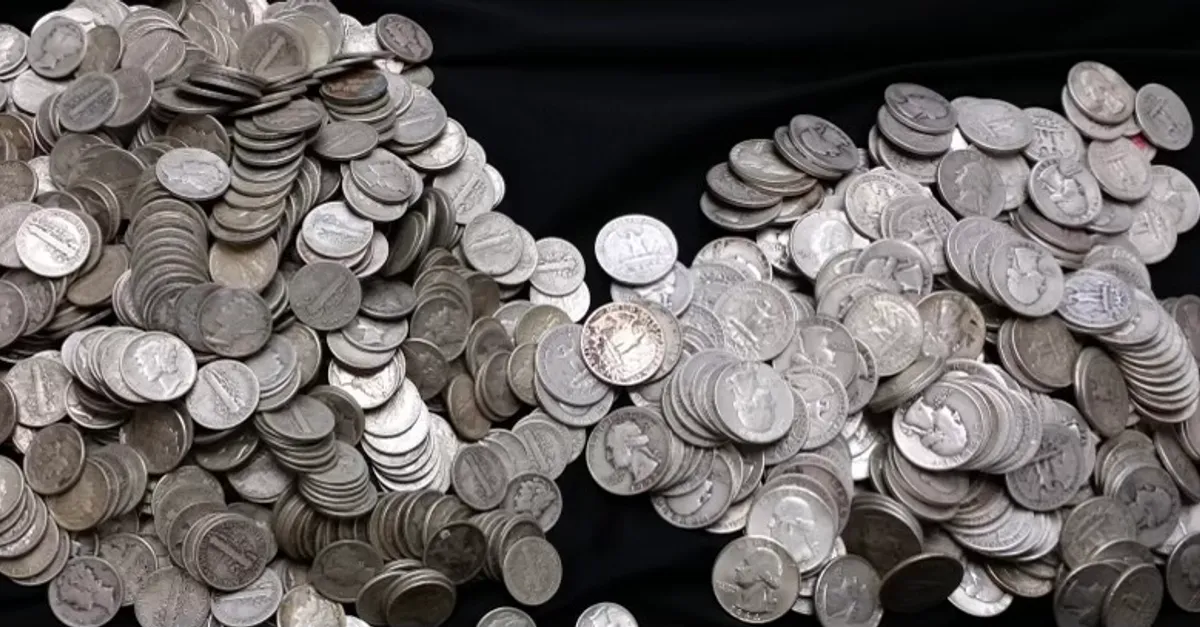
If you’ve spent any time around coin shops or precious-metal forums, you’ve probably heard the phrase “junk silver.” At first blush, it sounds like something you’d toss in a drawer and forget about.
Yet these coins are anything but worthless. In fact, they’re a cornerstone of many silver investors’ portfolios. So why saddle valuable silver coins with the word “junk”? The answer lies in how the hobby, and the metals market, evolved over the past half-century.
In the United States, “junk silver” refers to circulated coins minted in 1964 or earlier that contain 90 percent silver but hold little to no numismatic premium. They are bought and sold primarily for their melt value, not their rarity or condition.
Because these coins were workhorses of daily commerce, most show considerable wear. That wear removes the collectible allure but does not diminish the silver locked inside.
The label surfaced among coin dealers during the 1960s and early 1970s, right after the United States removed silver from circulating coinage. Dealers needed shorthand to separate pristine collector coins from heavily worn pieces suitable only for their bullion content.
Calling the latter group “junk” signaled, do not bother grading or slabbing these, just weigh them and calculate the melt price. The name stuck, even though the metal value has never been trivial.
Knowing how much pure silver each coin contains is crucial when you are buying or selling junk silver. The numbers have not changed since the Mint struck them, only the spot price of silver has.
Low premiums compared with modern bullion rounds make junk silver an accessible entry point for new stackers. Because the coins were produced by the U.S. Mint, authenticity is rarely questioned, adding a layer of trust to each transaction.
Liquidity is another draw. Most coin shops, pawn shops, and online bullion dealers will quote a price instantly, and pieces can be split into small, easily tradable units, handy during volatile markets.
Spotting junk silver is mostly a matter of reading dates: anything 1964 or earlier in the denominations listed above is 90 percent silver. A quick ring test, the signature high-pitched chime, or inspecting a non-copper edge also helps confirm authenticity.
Store coins in dry, temperature-stable environments. While heavy patina does not hurt melt value, keeping them free from corrosive moisture preserves both weight and eye appeal.
Dealers often quote junk silver in terms of face value, such as “$1000 face” bags. A quick rule of thumb is that $1.00 face in 90 percent silver contains roughly 0.715 troy ounces of pure silver once average circulation wear is considered.
Multiply the face value by 0.715, then by the current spot price to estimate melt value. Add any premium the dealer is charging to decide whether the offer is fair.
The “junk” moniker may never shake its negative connotation, but seasoned collectors know it is a misnomer. These well-traveled coins offer a straightforward, trusted way to hold physical silver without paying hefty premiums.
Whether you are building an emergency barter stash or diversifying a precious-metals portfolio, understanding why junk silver got its name, and what it truly represents, helps you buy with confidence.

